AI scam ads are paid posts that use a cloned face or voice of someone famous to sell a product, a "cure" or an investment that person never endorsed. You can spot most of them without any software: a famous person promising something too good to be true, a link that leads to a site with no connection to that person, pressure to pay today, and fine print that admits the person on screen is "AI" or "for entertainment". If you see one, don't click through, check the person's verified accounts, and report the ad to the platform.
This topic is back in the news this week. Posts about Mark Cuban's complaint that Facebook keeps running deepfake ads of him reached the front page of Hacker News on November 5, 2026. On the Pivot podcast, Cuban said he gets messages "every single week" from older people who believe he sells a diabetes treatment, some of whom say they paid $294 for it (IBTimes UK). He also said some of the ads carry a disclaimer at the bottom calling the figure an AI representation made for entertainment, which a viewer only reads after the pitch has done its work. This guide covers the warning signs, a quick check you can run on any ad, how to report one, and why AI detectors are only a small part of the answer.
What AI scam ads look like in 2026
Most fake celebrity ads follow one of a few patterns:
- Miracle health products. A familiar doctor, chef or businessman "reveals" a cure for diabetes, weight loss or joint pain. The Cuban ads fit this pattern.
- Investment and crypto schemes. A founder, TV host or politician appears to recommend a trading platform that "guarantees" returns.
- Fake giveaways and discounts. A celebrity seems to give away cookware, phones or gift cards if you pay shipping. The FCC notes that the Better Business Bureau has seen deepfakes of Taylor Swift and Jennifer Garner used to push people to fake cookware sites (FCC).
- Impostor accounts. Instead of an ad, a fake profile of the celebrity messages you directly about an "exclusive" offer.
The technology behind them varies. Some are fully synthetic video. Many reuse real interview footage and swap in a cloned voice, which is harder to catch because the face and lighting are genuine. In May 2024, fact checkers debunked a Facebook video that did exactly this to Cuban: real footage with AI audio added to make him appear to promote a diabetes product, which he called an obviously bad deepfake (also reported by IBTimes UK).
Why so many scam ads get through
Scale is the main reason. On November 6, 2025, Reuters reported on internal Meta documents that projected about 10% of the company's 2024 revenue, roughly $16 billion, would come from ads for scams and banned goods. A December 2024 document estimated that users across Meta's apps were shown about 15 billion "higher risk" scam ads a day, and another put annual revenue from that narrower category at about $7 billion (Reuters). According to the same report, Meta's automated systems had to be at least 95% sure an advertiser was committing fraud before banning it, and suspected scammers below that line could keep advertising at higher rates. Meta told CNBC the 10% figure was a rough and overly inclusive estimate and that many of those ads were later found not to violate its rules (CNBC).
The two dollar figures measure different things. The larger one bundles scams with banned products such as illegal casinos and unapproved medicines. The smaller one covers ads with obvious signs of fraud. Either way, the takeaway for you is the same: an ad being on a major platform tells you nothing about whether it is legitimate.
The red flags to look for
You don't need to judge pixels to catch most fake ads. Look at what the ad asks you to do.
- The claim is too good to be true. A cure for a chronic disease, a guaranteed return, or a $500 product for the price of shipping. Real celebrities rarely promise any of these.
- The endorsement doesn't fit the person. A tech investor selling supplements or a news anchor pushing a trading app should make you stop.
- There is urgency. "Only today", countdown timers and "spots are running out" are pressure tactics, not features of honest offers.
- The fine print admits it. Look for phrases such as "AI representation", "dramatization" or "for entertainment purposes". Cuban says exactly this kind of line appears at the bottom of ads using his likeness.
- The link goes somewhere odd. Hover over or long press the button. If the domain isn't the brand's own site, or it mimics a news outlet, close it.
- The advertiser page is new or unrelated. A page called something generic, created recently, with no posts other than ads, is a common sign.
- The voice and mouth drift apart. Lip movements that lag the words, a flat or oddly paced voice, or a face that stays unnaturally still while the head turns can all point to editing. These clues are getting harder to see, so treat them as a bonus, not your main test.
A five minute check before you buy or click
When an ad looks tempting, run through this short routine:
- Pause and don't click. Nothing in a legitimate offer disappears in the next five minutes.
- Check the person's verified accounts. Go to the celebrity's official profile or website yourself, not through the ad. A real endorsement shows up there.
- Search the claim with the word "scam". Type the product name, the person's name and "scam" into a search engine. Fake celebrity products tend to have news stories and fact checks within days.
- Look up the advertiser. On Facebook and Instagram, the Meta Ad Library shows other ads a page is running. On Google and YouTube, tap the three dots next to the ad to open My Ad Center, which shows basic advertiser details and whether Google has verified them (Google). A page running dozens of near identical ads under different names is a strong warning.
- Check the video itself if you still have doubts. Our step by step guide on how to check if a video is AI generated covers platform labels, Content Credentials and watermark checks in detail.
If you already paid, contact your bank or card issuer right away and ask about disputing the charge. Keep screenshots of the ad, the page name and the checkout site.
Can an AI detector tell you an ad is fake?
Sometimes, but it should be the last step, not the first. Detection tools fall into two groups, and both have limits on ad video.
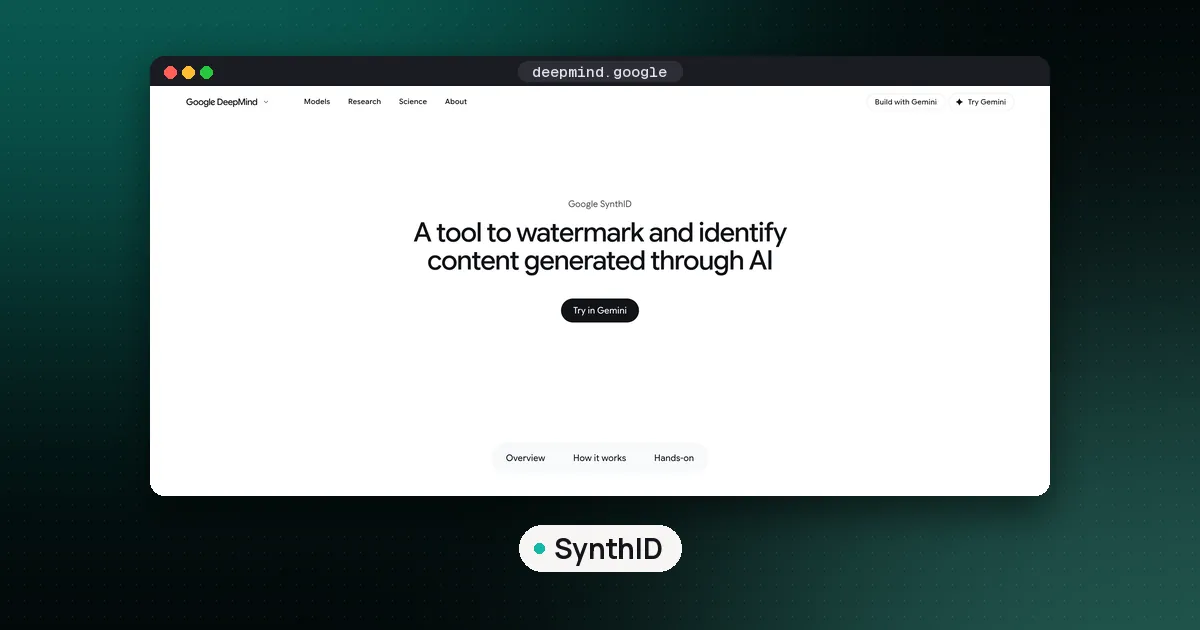
Watermark and provenance checks look for a signal the generator added on purpose. The SynthID Detector can find Google's invisible watermark, and Content Credentials shows signed provenance data when a file carries it. A positive result is strong evidence. But scammers have no reason to use tools that watermark their output, and platforms reencode uploads, so a clean result proves very little. Our SynthID Detector guide explains what the portal can and cannot read.
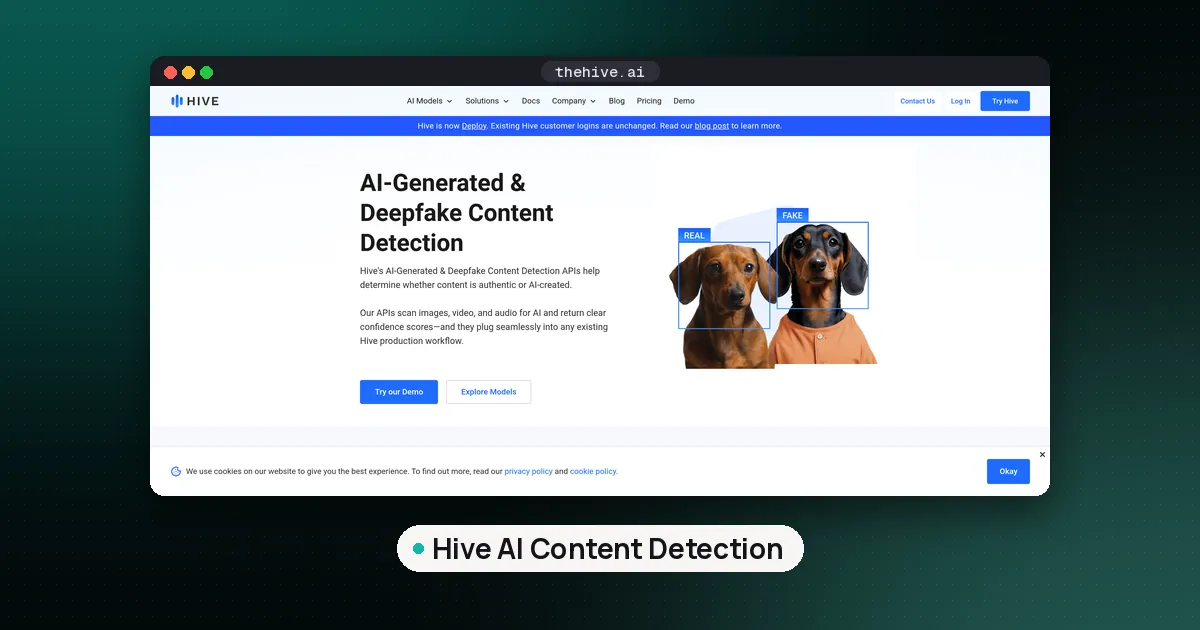
Classifiers such as Hive and Reality Defender estimate how likely a clip is synthetic from patterns in the pixels and audio. They can flag a fully generated face, yet they struggle with real footage plus a cloned voice, and with short, compressed clips saved from a feed. Treat a score as a lead, not a verdict. The deepfake detection comparison and our review of whether AI detectors are accurate cover the research on error rates. If you want to try Reality Defender, its free plan and limits are covered separately.
The honest summary: for scam ads, the offer, the link and the advertiser give you a faster and more reliable answer than any detector.
How to report AI scam ads
Reporting helps the platform remove the ad and the advertiser, and it builds a record regulators can use.
- Facebook and Instagram. Tap the three dots on the ad and choose the option to report it, then pick the scam or fraud reason. Meta's Help Center explains how to report content you see.
- YouTube and Google Search. Use the three dots or the info icon on the ad to open My Ad Center and report it, or use Google's report an ad form.
- United States agencies. Report the scam to the FTC at ReportFraud.ftc.gov. If you lost money online, you can also file with the FBI's Internet Crime Complaint Center.
- Phone calls with a cloned voice. In 2024 the FCC ruled that calls using AI generated voices count as robocalls under the Telephone Consumer Protection Act, so they are generally illegal without your prior consent (FCC). You can file a complaint with the FCC.
What Meta and Google say they are doing
Both companies now target fake celebrity ads directly.
Meta began testing facial recognition against "celeb bait" ads in October 2024. When its systems suspect a scam ad shows a public figure, it compares the face in the ad with that person's Facebook and Instagram profile pictures, blocks the ad if it confirms a match and a scam, and says it deletes the facial data right after the comparison. Meta expanded the program to the UK, EU and South Korea in 2025 and says nearly 500,000 public figures are now covered. It reports that user reports of celeb bait ads, out of total ad impressions, fell 22% globally in the first half of 2025, and that the expanded facial recognition more than doubled the number of these ads it caught in testing (Meta). In December 2025 Meta said it had removed more than 134 million scam ads that year (Meta). These are the company's own figures.
Google changed its Misrepresentation policy in March 2024 so that advertisers who impersonate or falsely imply endorsement by a public figure are suspended on detection, without warning (Google Ads policy). Its 2024 Ads Safety Report says a team of more than 100 experts worked on AI public figure impersonation ads, that it permanently suspended more than 700,000 advertiser accounts, and that reports of this kind of ad dropped 90% (Google).
None of this means the problem is solved. Cuban's complaint shows ads using his likeness are still reaching people, and the protections only cover public figures enrolled in them. Your own checks still matter.
Who is most at risk, and how to help them
Scam ads are targeted. Cuban says the people who write to him are mostly older adults, and health and investment pitches lean on fear and hope. If you have parents or grandparents on Facebook, a short conversation helps more than any tool: tell them that a famous face in an ad is not proof of anything, that real offers don't expire in minutes, and that they can always call you before paying. Ask them to send you a screenshot of any ad they want to act on. Setting up that habit catches far more fakes than spotting a glitch in a video.
FAQ
What are AI scam ads?
They are paid ads that use AI generated or AI edited video, images or voice of a real person, usually a celebrity, to sell something that person never endorsed. Common products are health "cures", investment schemes and fake giveaways.
How can I tell if a celebrity ad is fake?
Check the person's verified accounts or website yourself. A real endorsement appears there. Also look for fine print that mentions AI or entertainment, a link to an unrelated website, and pressure to buy right away.
Are fake AI ads on Facebook illegal?
Using someone's likeness to sell a product without permission and taking money for something fake can break consumer protection and fraud laws, and these ads break Meta's own advertising rules. Report them to Meta and, in the US, to the FTC at ReportFraud.ftc.gov.
How do I report AI scam ads on YouTube?
Tap the three dots or info icon on the ad to open My Ad Center and report it, or use Google's report an ad form. Google's policy says advertisers caught impersonating public figures are suspended without warning.
Can AI detectors spot deepfake ads?
Only sometimes. Watermark checks such as SynthID work only when the generator added a watermark, and classifiers like Hive or Reality Defender struggle with real footage plus a cloned voice. The offer, the link and the advertiser are usually faster clues.
What should I do if I already paid?
Contact your bank or card issuer right away to ask about disputing the charge, change any password you entered on the scam site, and report the ad to the platform and to the FTC or IC3. Keep screenshots as evidence.